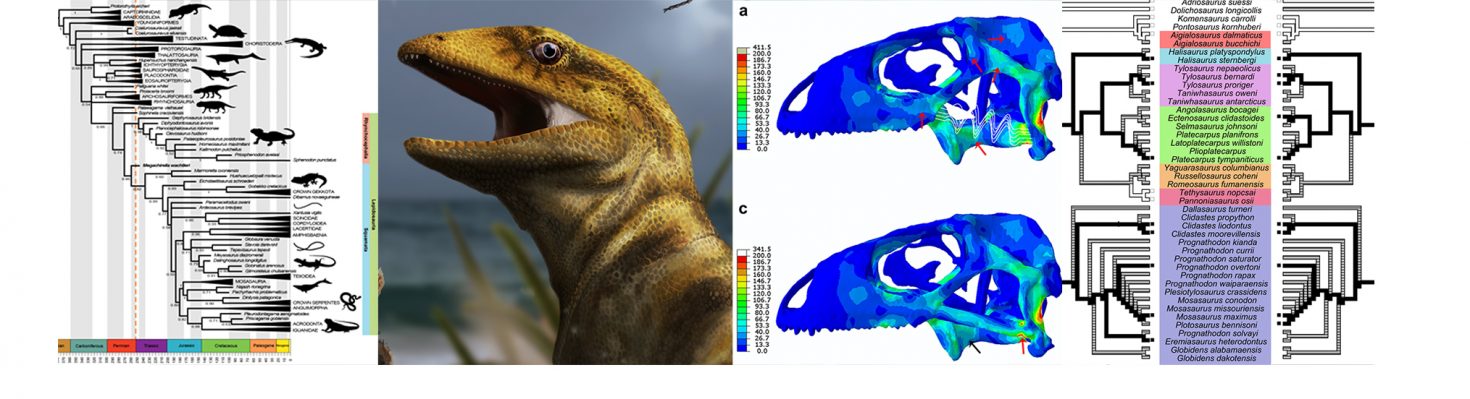
Our lab investigates fundamental questions in evolutionary biology spanning broad taxonomic and temporal scales. Some of our major research questions include:
- What are the genomic, ecological, and phenotypic processes behind the major evolutionary transitions in the vertebrate tree of life?
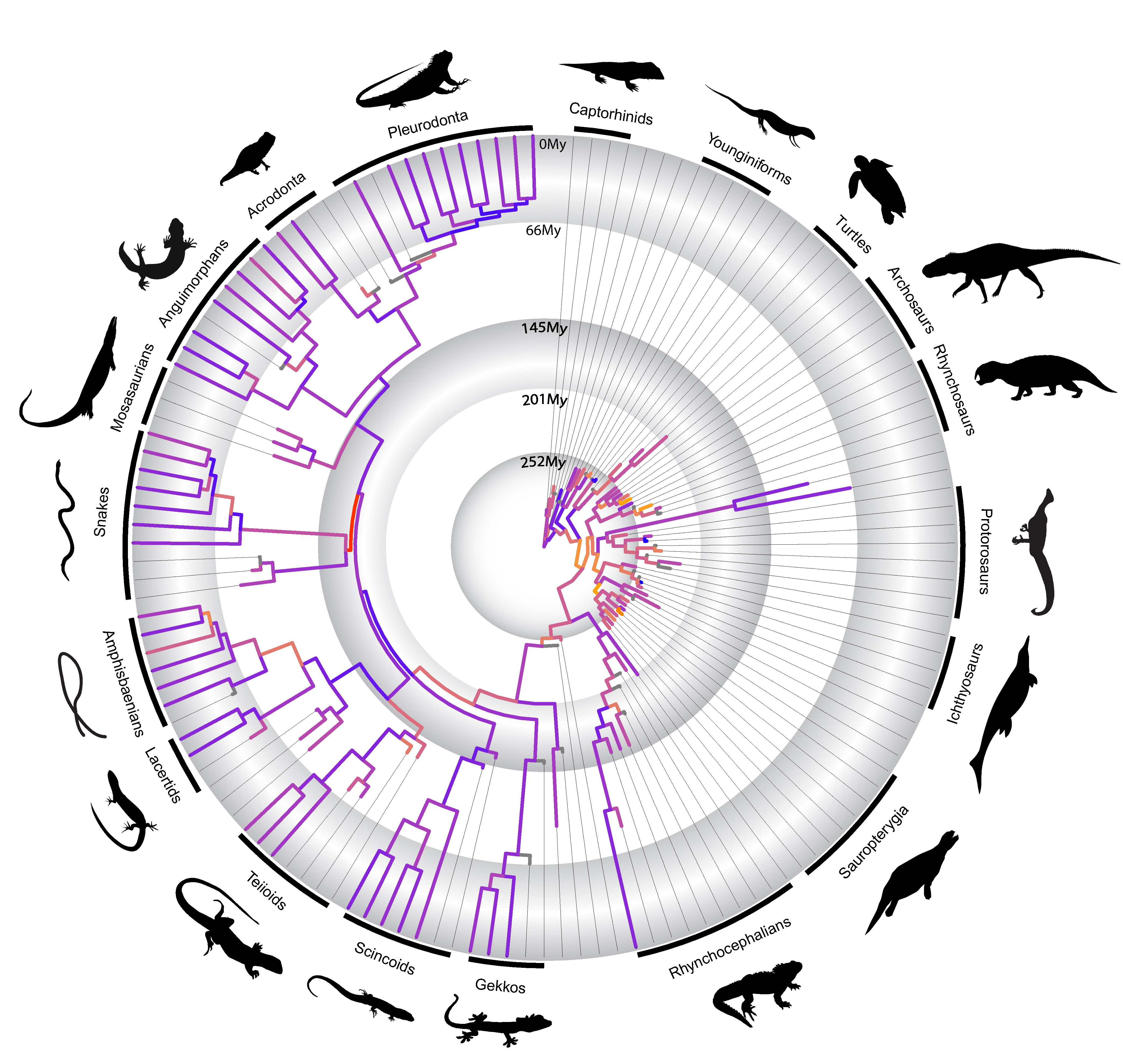
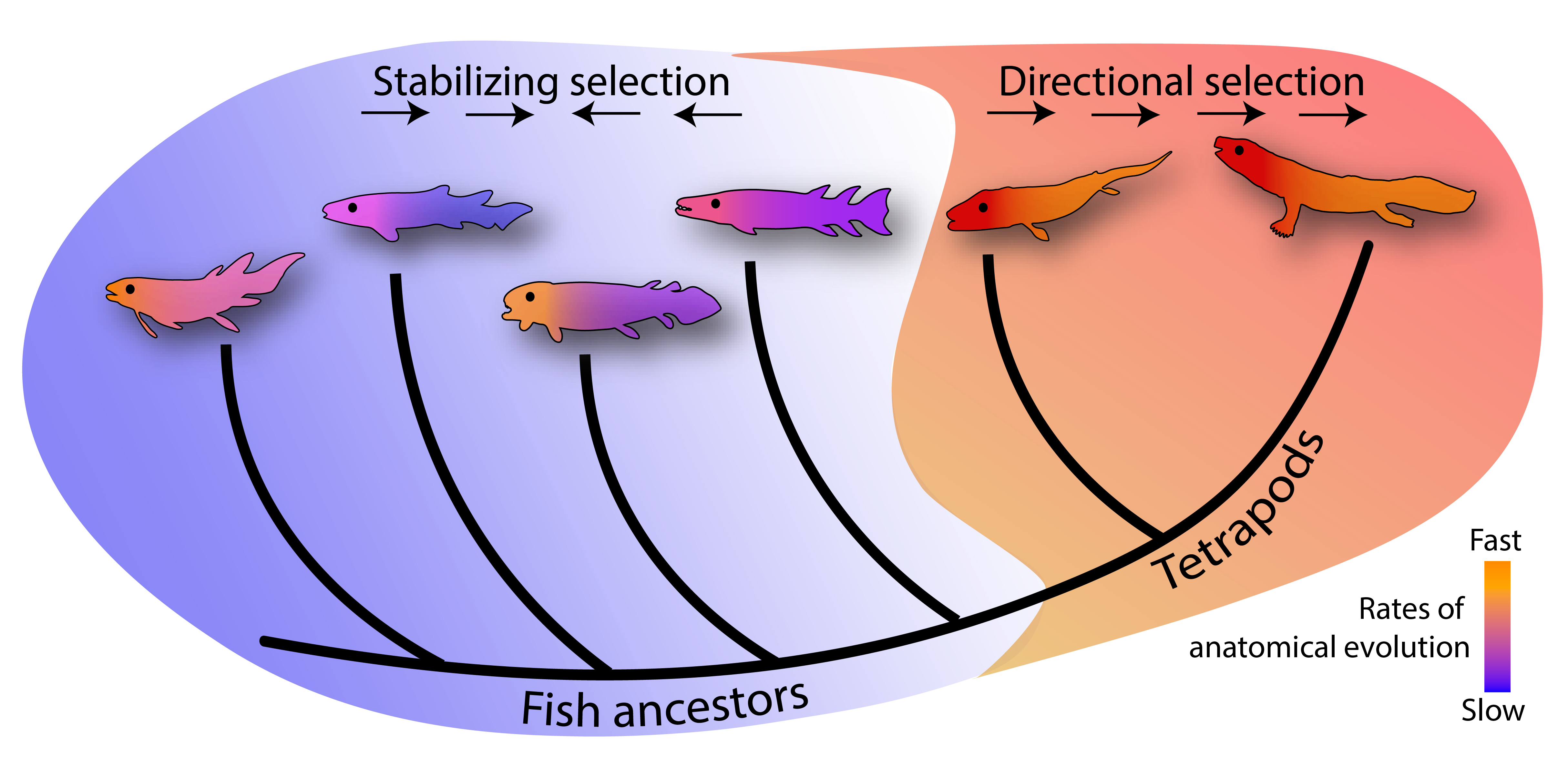
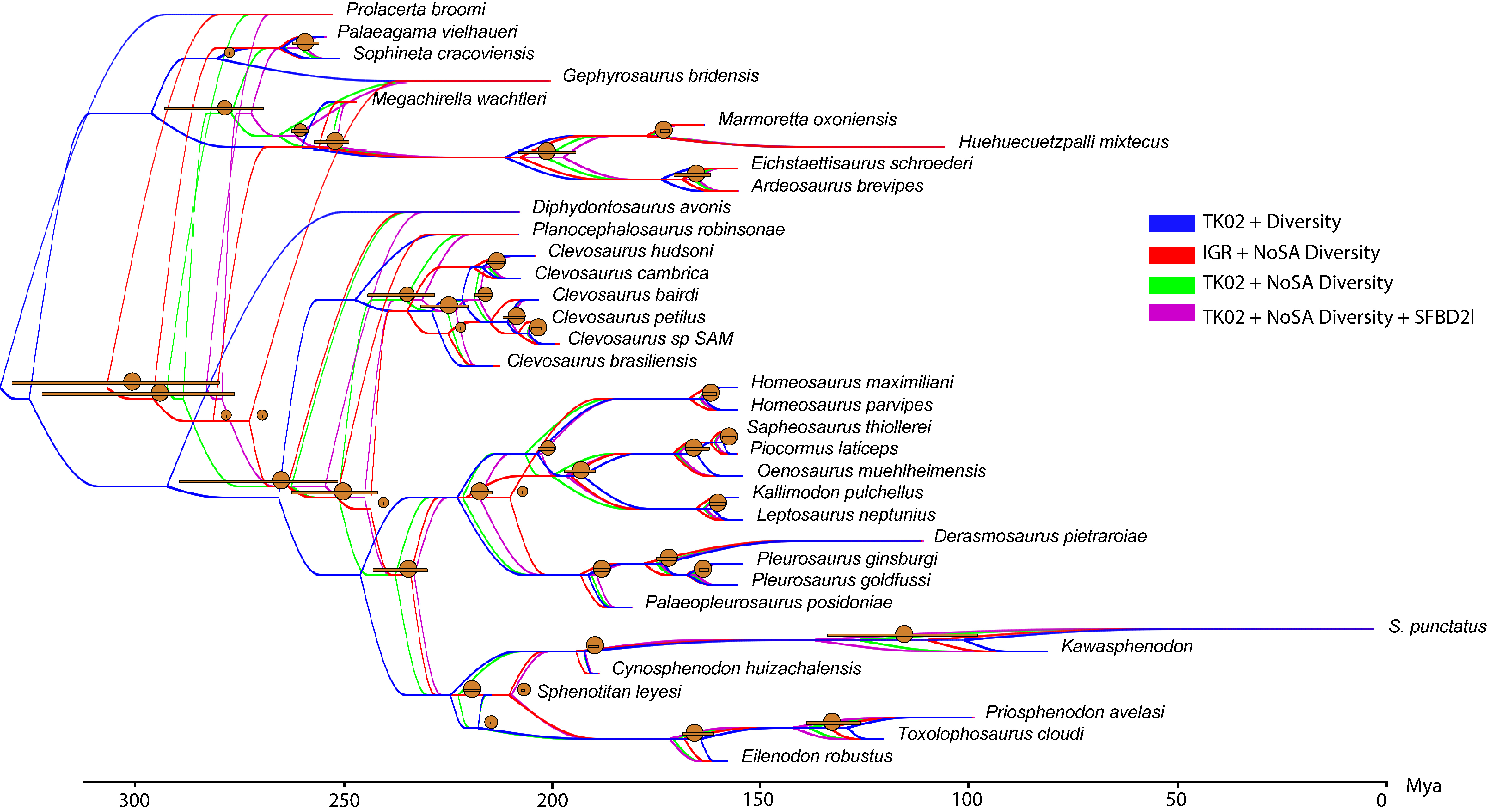
We have been developing and implementing recent advances towards understanding the time of origin of major vertebrate groups (especially reptiles); reconstructing organismal rates of morphological and molecular evolution across various time scales; the genomic basis of phenotypic innovations and their association with periods of adaptive radiations and climate change. We are currently co-leading a major NSF funded project and research consortium to understand the genomic basis of phenotypic evolution in lizards and snakes, in collaboration with colleagues across the world. By exploring emerging techniques in bayesian inference, comparative methods, and machine learning, our goal is to obtain a fine scale understanding of the evolution of continuous and discrete traits across squamates and the (potentially new) regulatory regions associated with those changes. We are also investigating the deep time evolutionary response of organismal evolution to climate change in the deep past combining paleoclimatic data with inferences of lineage diversification and trait evolution rates.


- How can we improve data collection and analysis of phenotypic data and promote their integration with genomic data in evolutionary research?
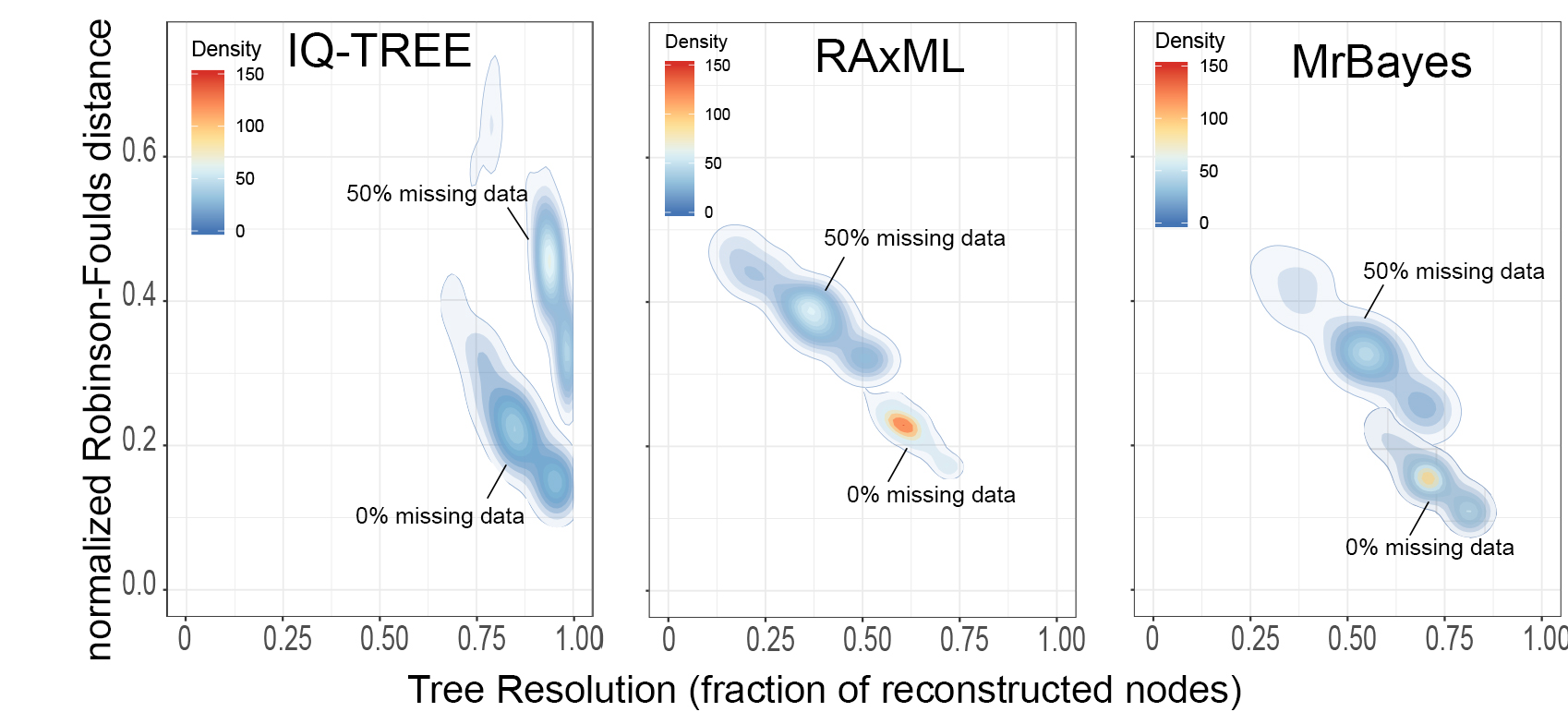
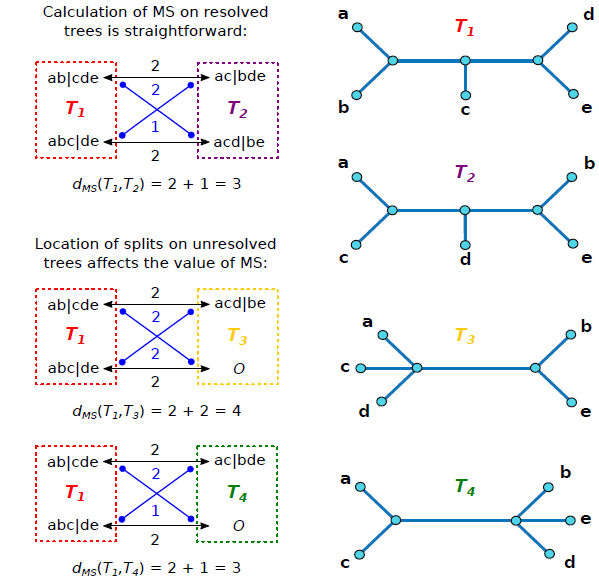
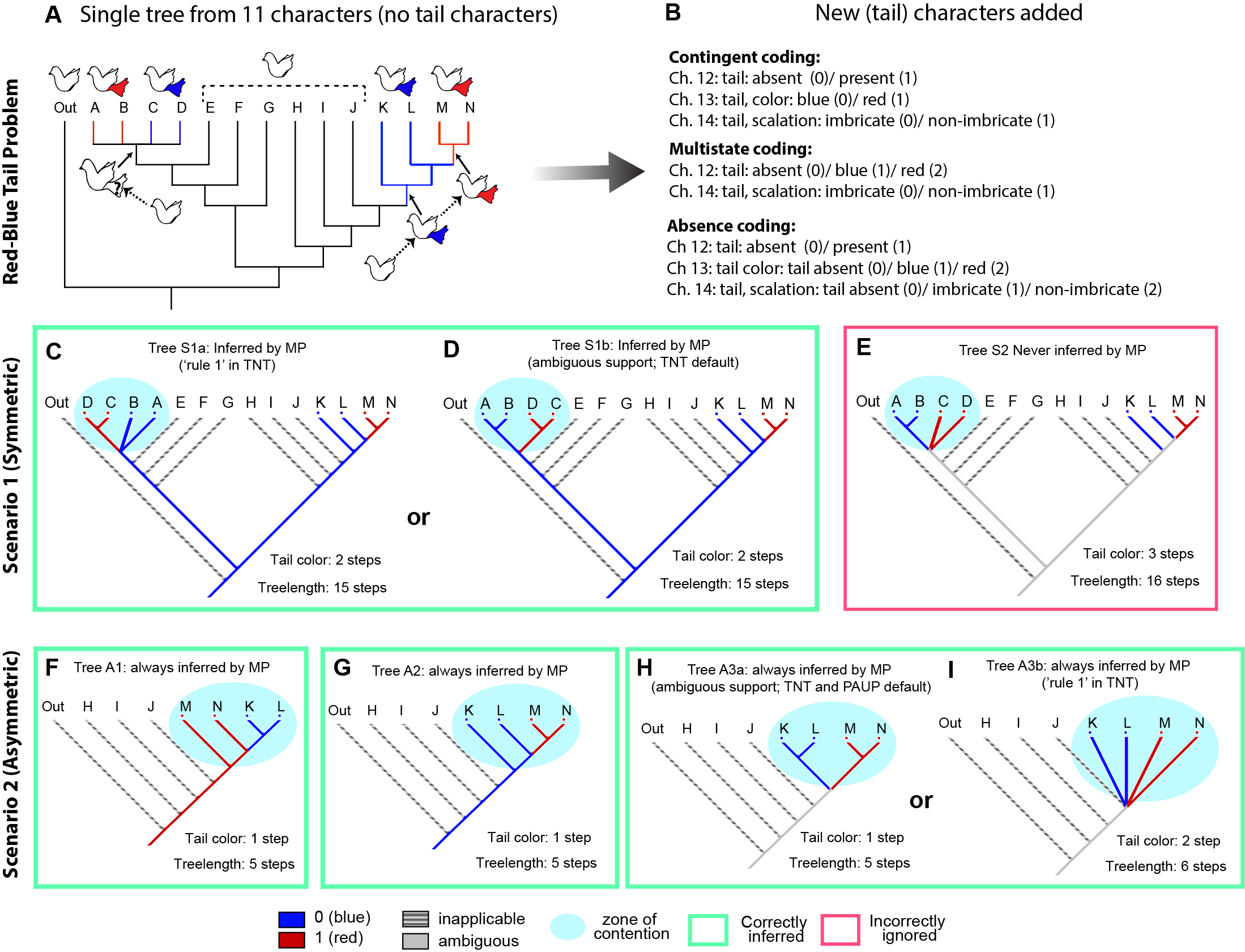
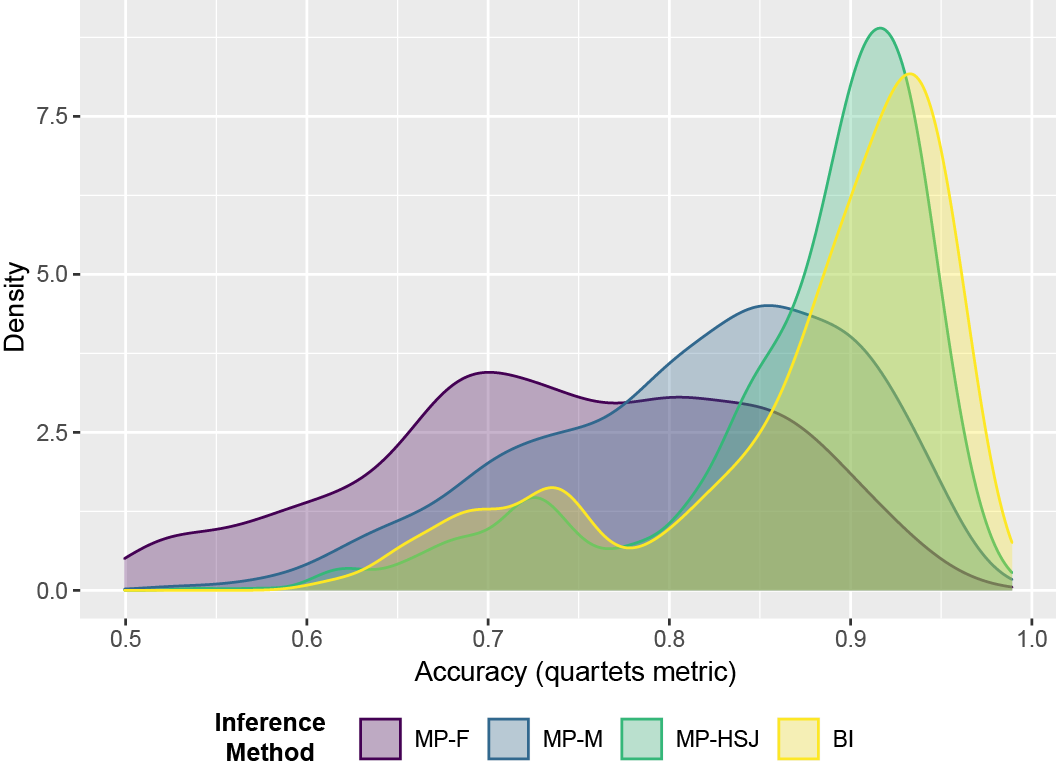
Fossils and morphological data are the only way to directly sample information regarding the vast majority of organisms that have existed across Earth’s history. However, existing tools to infer evolutionary trees and/or understand evolutionary processes and patterns using such information still lags behind substantial advances to understand genomic evolution. Therefore, one of our major goals is to elevate the quality of analytical tools to understand organismal evolution using fossil/morphological data on their own and for their integration with genomic data. These include conceptual, simulation-based, and empirical studies to assess the impact of logical biases in morphological dataset construction, the performance of morphological and fossil data under various software and optimality criteria, and testing substitution, tree and clock models for their impact on macroevolutionary parameter estimation using relaxed molecular/morphological clocks.
- How lizards and snakes originated, are related to each other, and adapted to multiple environments across the world today and in the distant past?
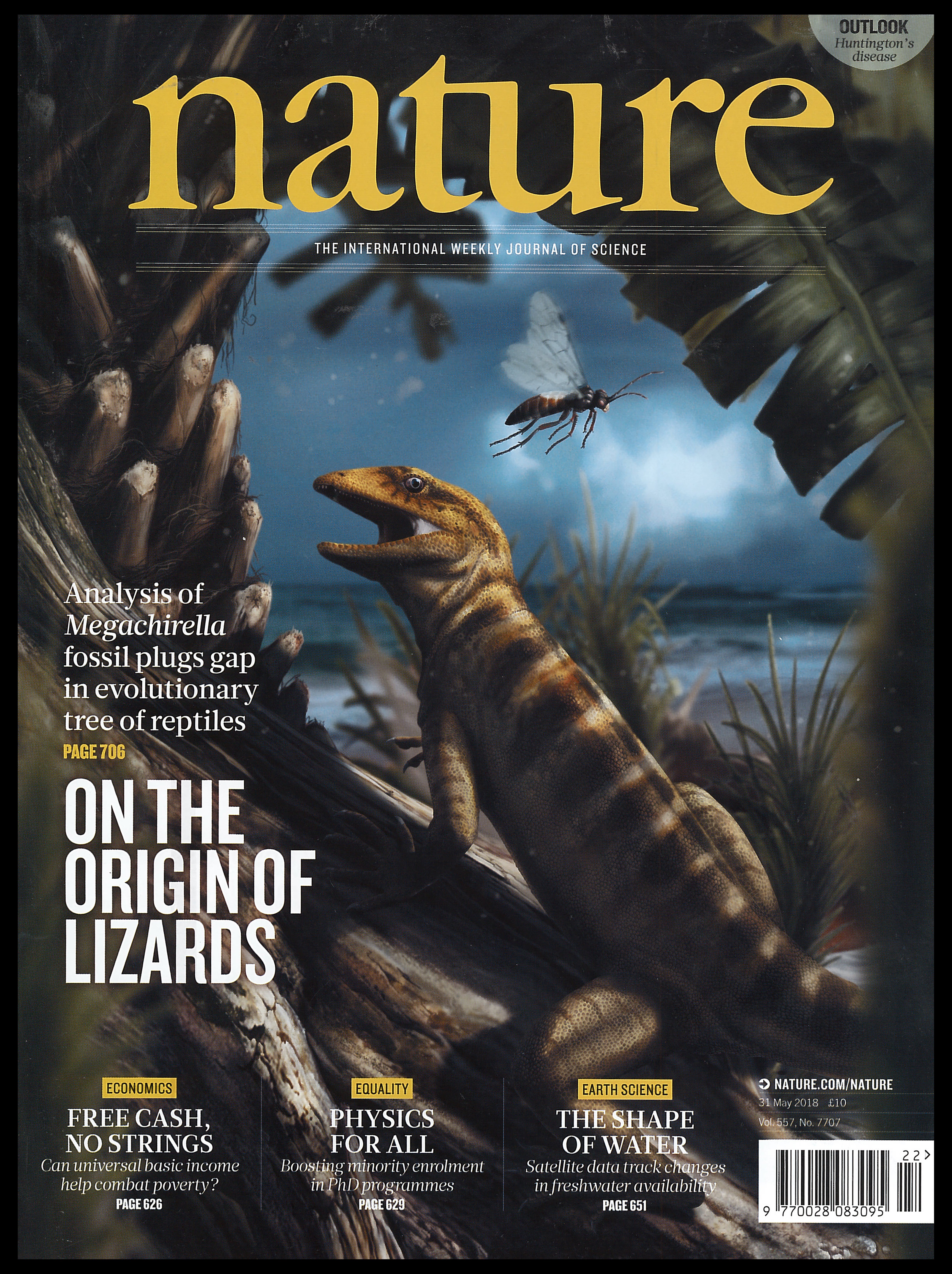
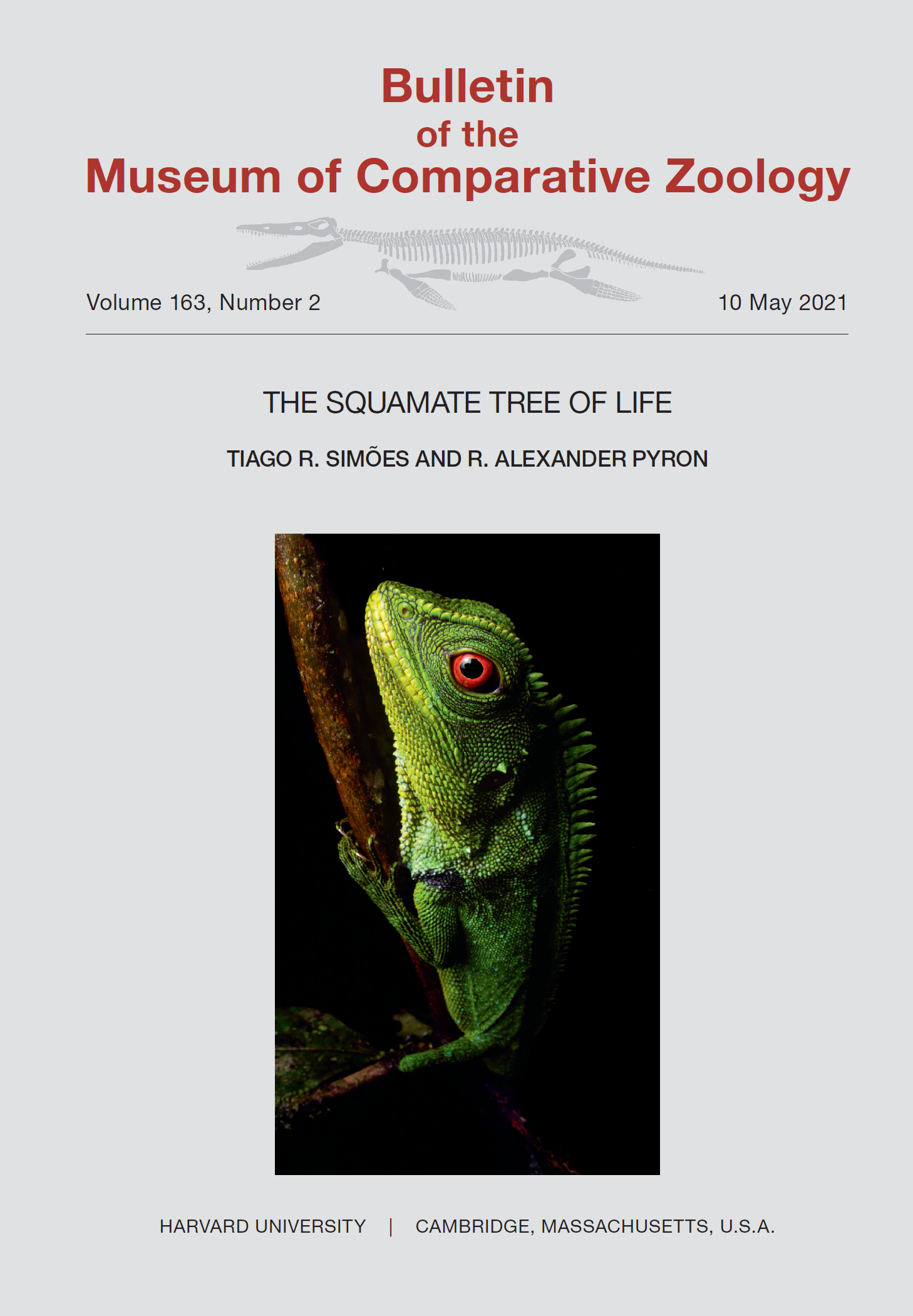
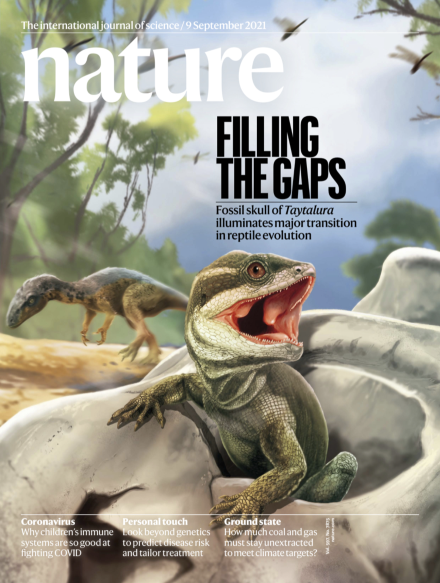
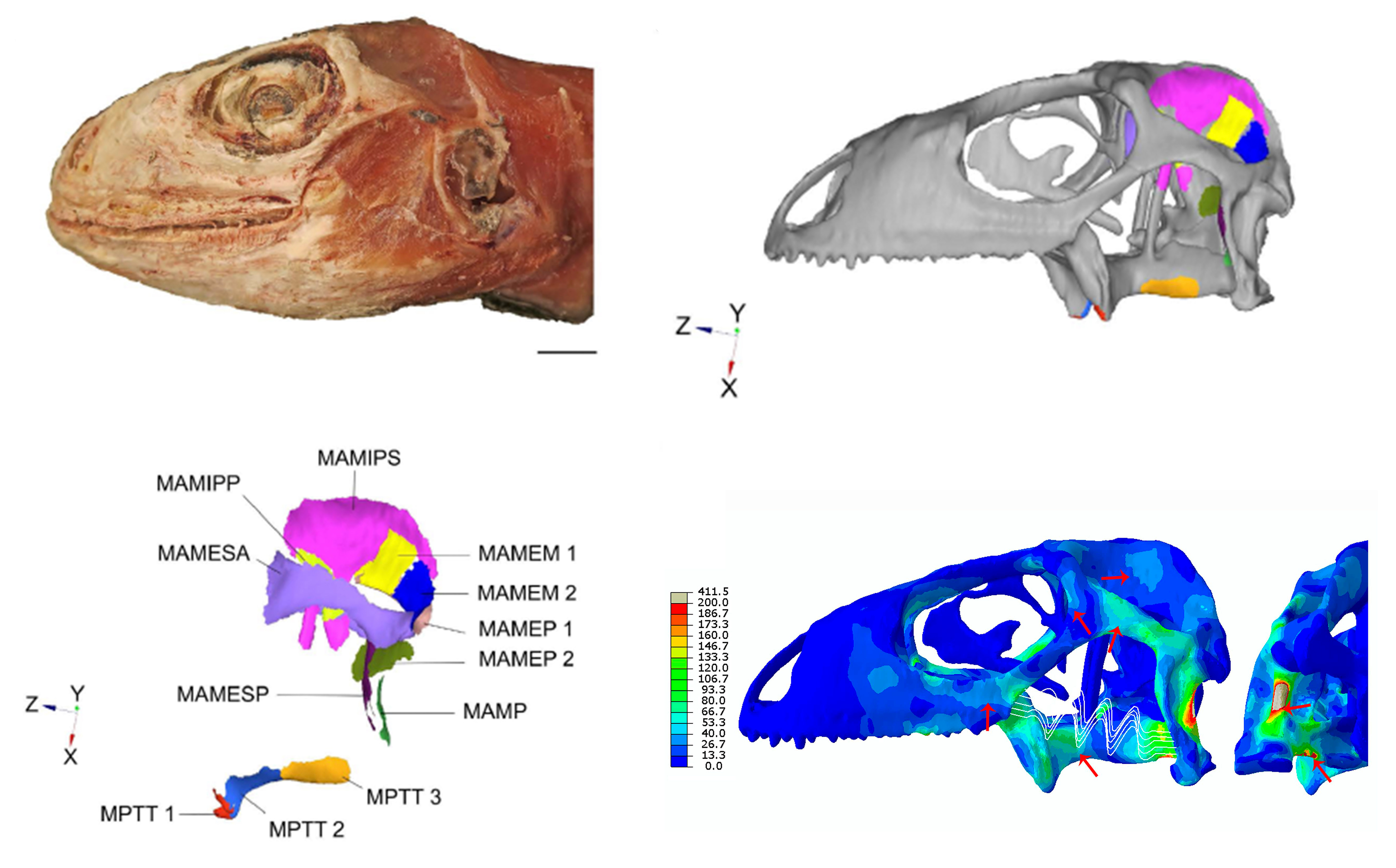
Despite their extreme abundance among extant forms, we currently know very little of how squamates (lizards and snakes) transitioned from a peripheric reptile lineage around 250 million years ago to become the most diverse group of terrestrial vertebrates in the planet today with >11,000 species. To understand this, we also conduct specimen-based research involving data collection in natural history collections, fieldwork, or through collaborations to understand the phylogenetic relationships, biogeography, functional morphology, and macroevolution of living and fossil squamates. Our major goal is to understand the broad scale phylogenetic relationships of squamates (lizards and snakes), among other groups of tetrapods (living or extinct), and the processes responsible for the construction of both past and present patterns of squamate biodiversity.

 Simões Lab